
Wall Threatens Big Bend Wildlife
The Trump Administration’s plans to extend border wall construction into the Big Bend region would cause irreparable damage, severing wildlife migration corridors, disrupting the Rio Grande ecosystem, and undermining decades of binational conservation work. The worst part? It’s completely unnecessary.
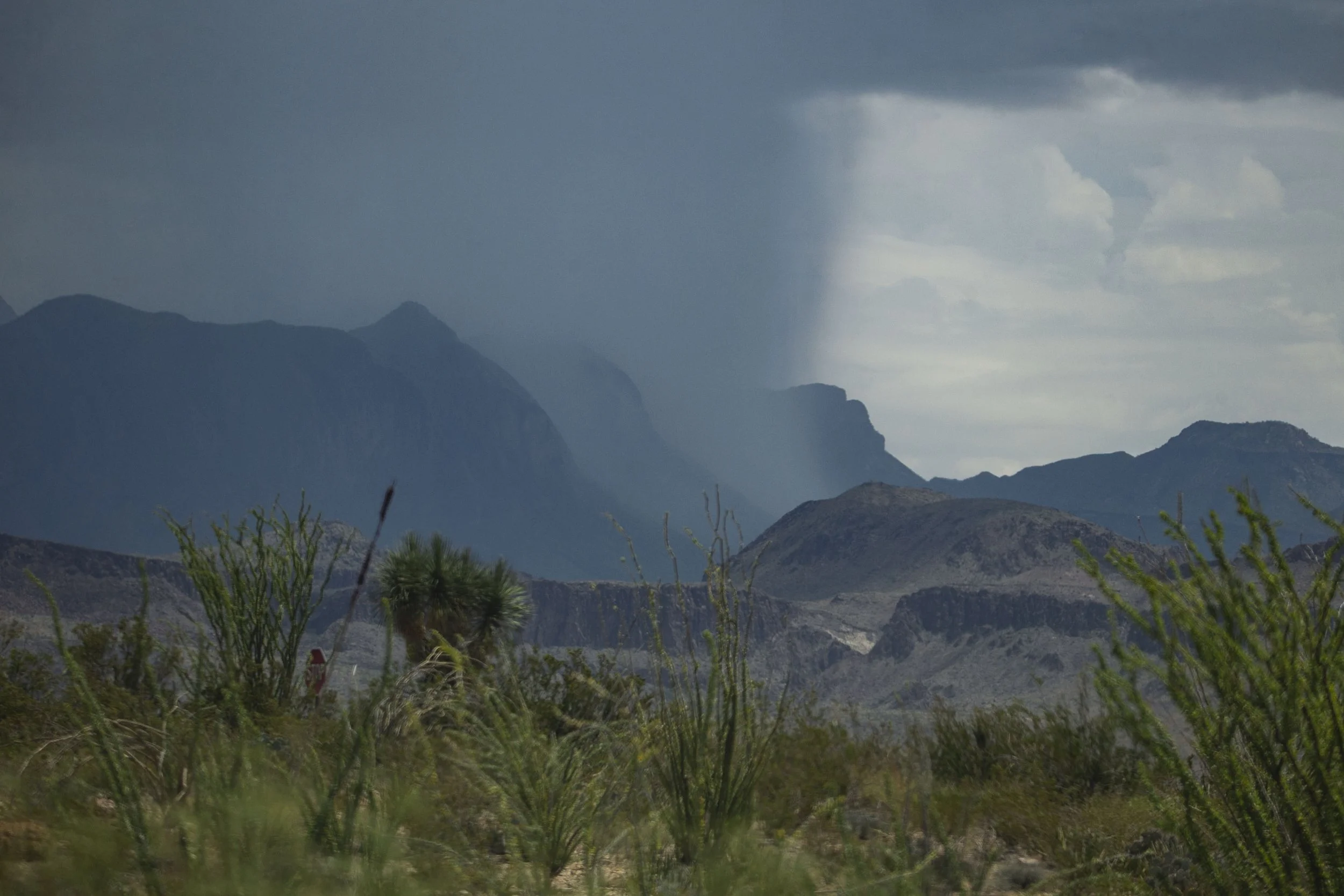
Anyone who has spent time in Big Bend knows the rugged, remote landscape serves the same purpose a wall would without costing billions and destroying protected lands, species, and people. We made the gorgeous drive down FM-170, from Presidio to Big Bend, last summer. Border patrol agents and the lone tank seen below were among the very few people spotted in the miles of empty, rugged terrain.
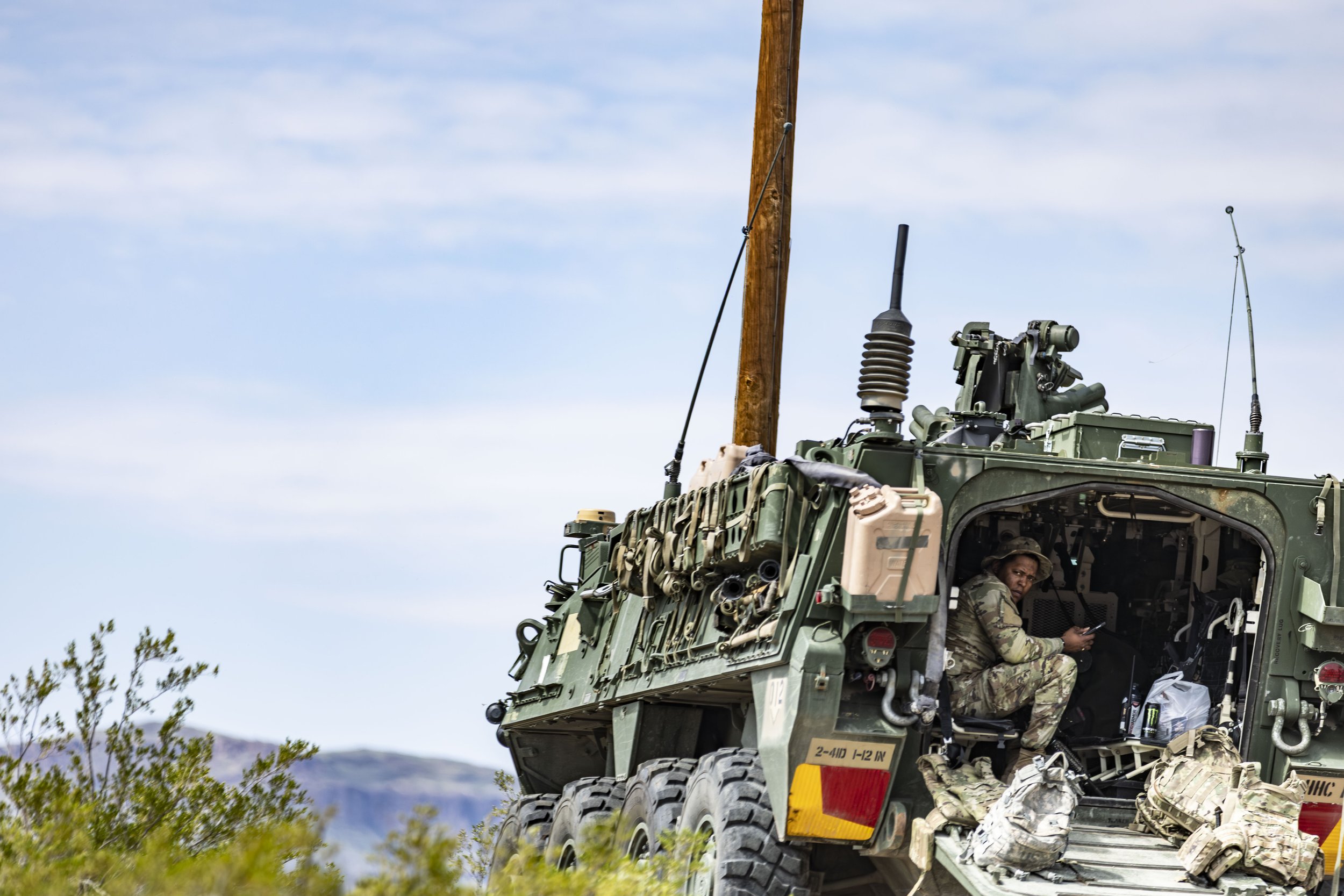
Taken in August 2025 during a drive through Big Bend State Park. This single tank sat in miles of empty desert.
To expedite building along a 175-mile stretch between Fort Quitman and Colorado Canyon in Big Bend State Park, DHS Secretary Kristi Noem waived 28 federal laws–including the Endangered Species Act, the Clean Water Act, the National Environmental Policy Act, the Wild and Scenic Rivers Act, and the Native American Graves Protection and Repatriation Act.
DHS confirmed the entire 517-mile Big Bend sector will run through Big Bend State and National Parks, as shown below. Trump’s One Big Beautiful Bill Act provided $46.5 billion to complete the border wall.
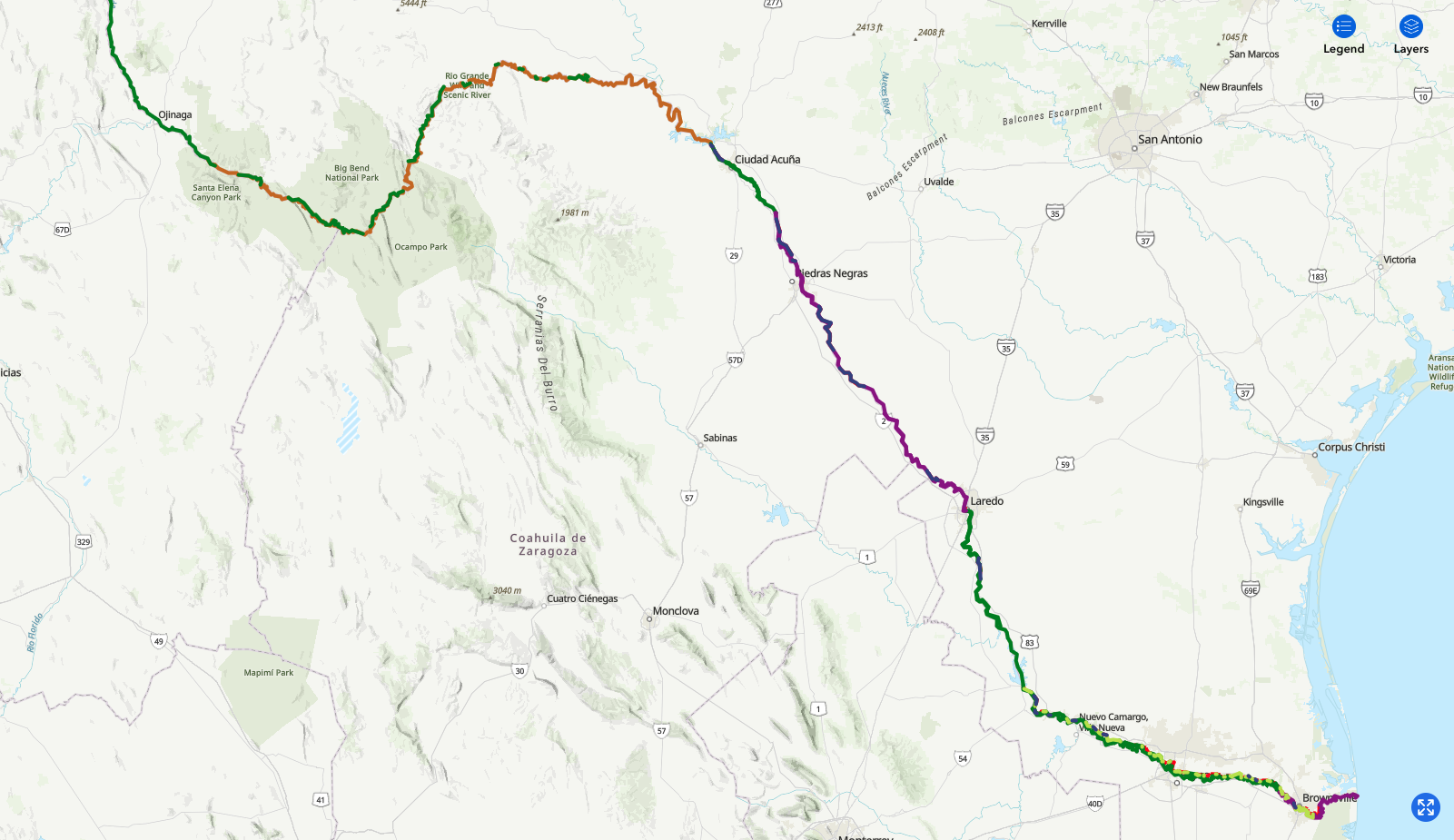
Source: U.S. Customs and Border Patrol
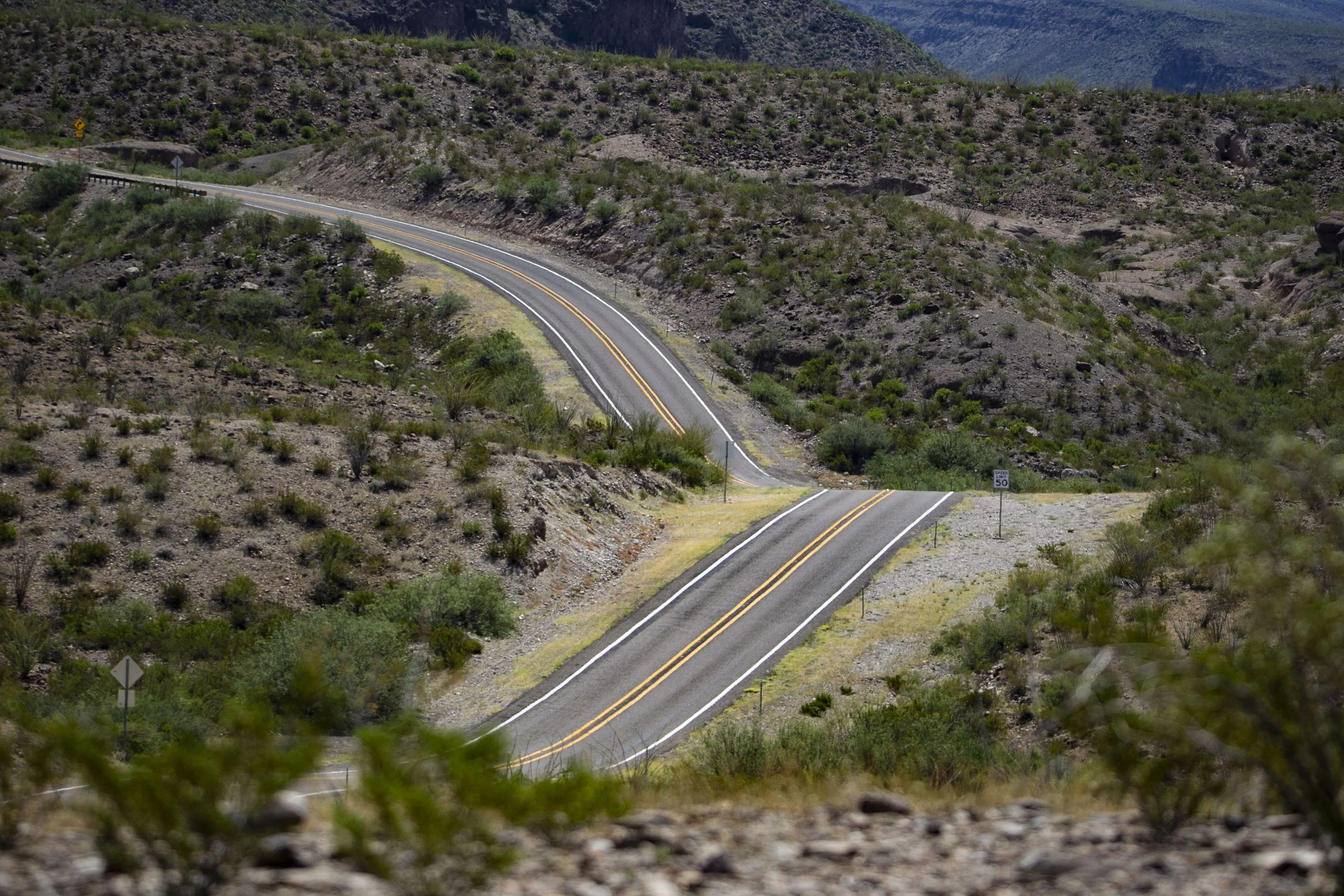
The stretch of highway from Presidio to Big Bend National Park, which mirrors one section of the proposed wall, is one of the most beautiful in the country. Winding through miles of hills and valleys, the two-lane road weaves through rugged scrublands rich with thorny catclaw, soaring yuccas and bright ocotillo, the trademark plant of the Chihuahuan Desert. The Rio Grande snakes in and out of view, and eventually, the steep rise of the Chisos Mountains dominate the horizon.
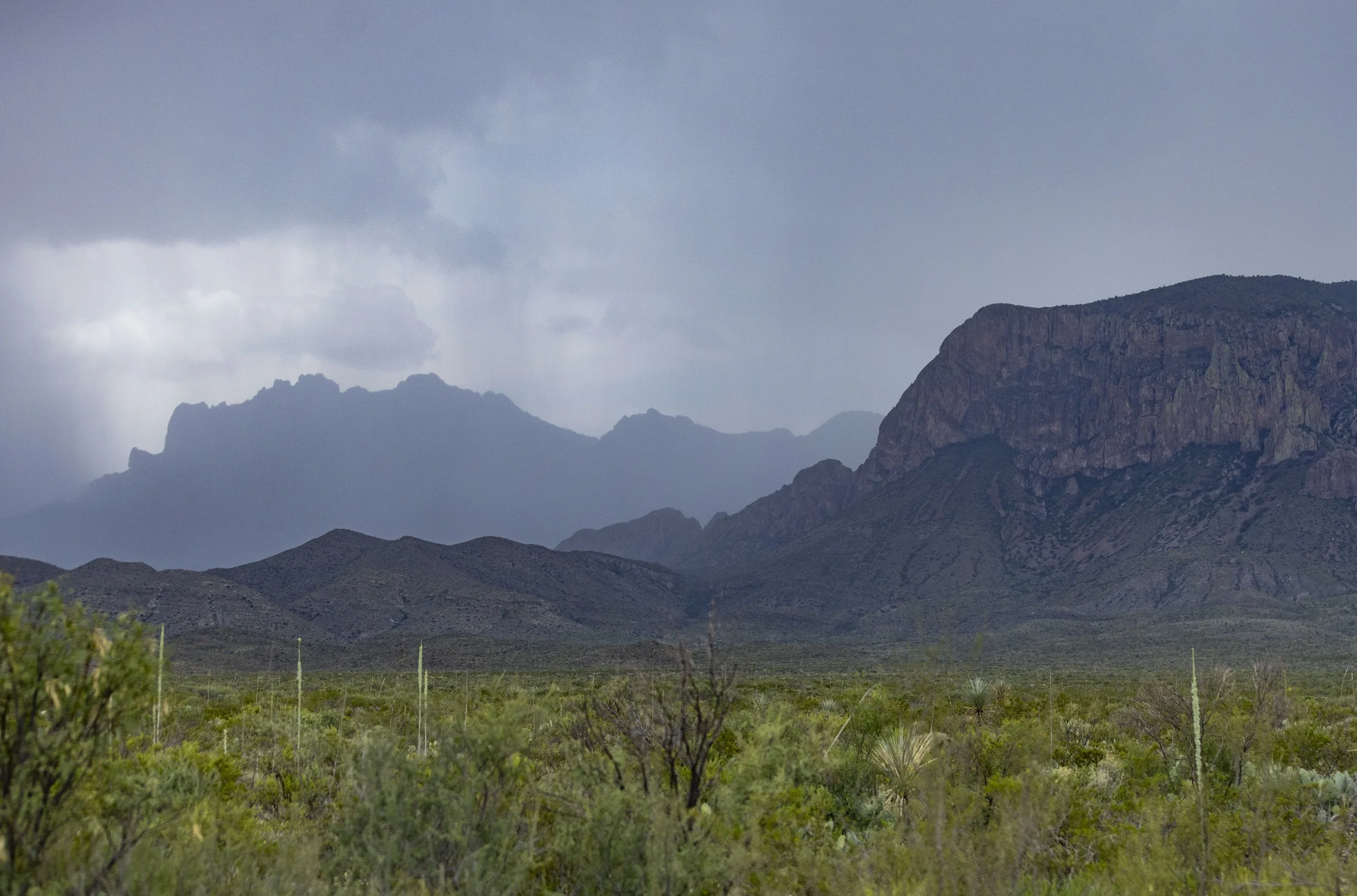
The Rio Grande serves as the most critical water source for wildlife in the Chihuahuan Desert, and a wall set back from the river would cut off terrestrial species—javelinas, bobcats, foxes and others—from that lifeline. Beyond blocking access to water, the barrier would alter natural flood patterns that native willow and cottonwood trees depend on for seed germination, degrading riparian habitat that imperiled birds like the western yellow-billed cuckoo and southwestern willow flycatcher rely on for nesting.
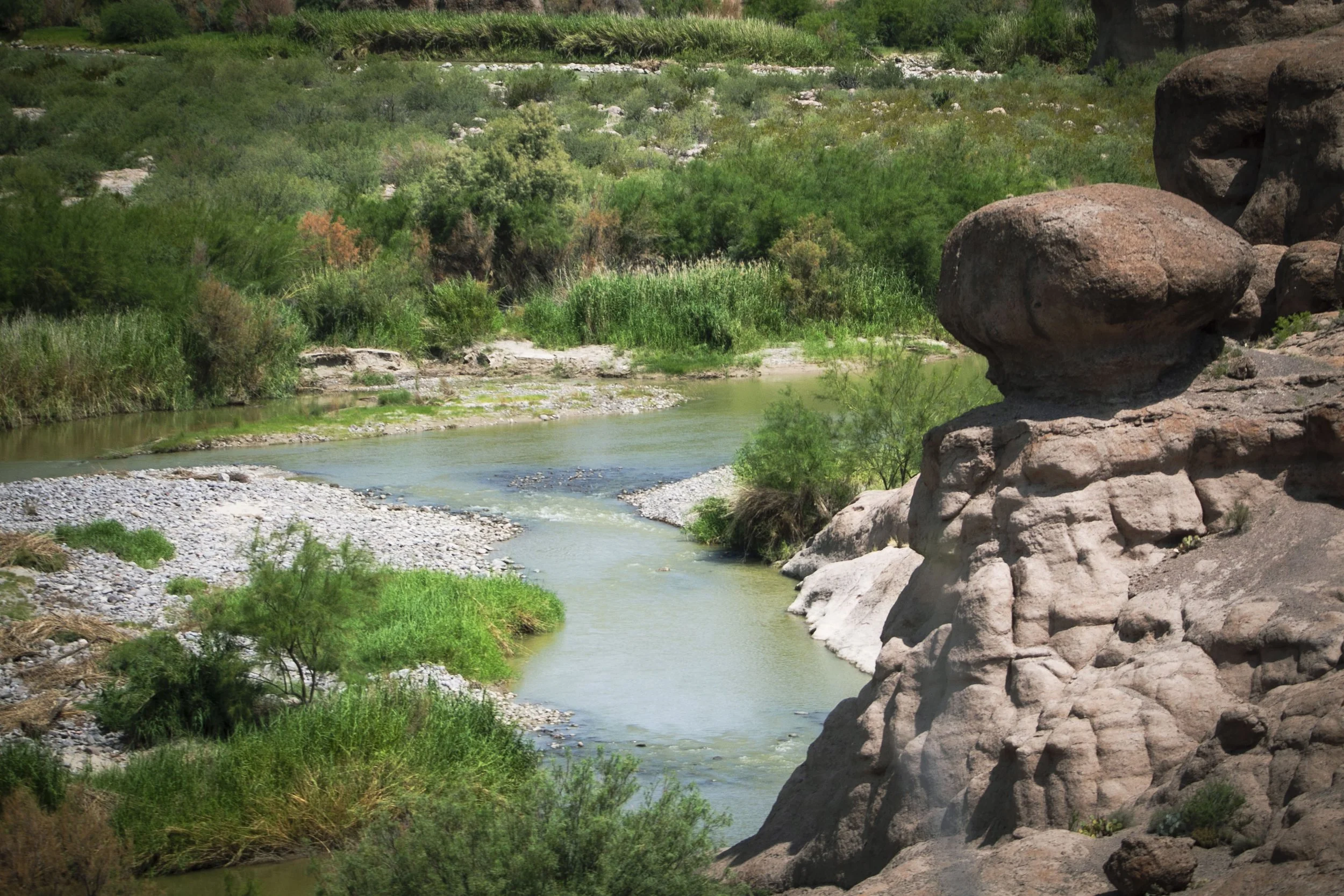
The Rio Grande
The wall poses a direct threat to black bears, which had completely disappeared from the Texas side of the Rio Grande in the 1950s. But by the 1980s, they successfully recolonized Big Bend National Park by migrating across the border from Mexico. An impermeable wall would split this binational population, essentially ensuring their eventual end on the Texas size again.
Large mammals including desert bighorn sheep, pronghorn and Carmen Mountain mule deer — species that conservation programs on both sides of the border have worked to restore — also require unimpeded cross-border movement to maintain genetically healthy populations. Blocking those corridors would force wildlife agencies to capture and physically transport animals across the border to prevent inbreeding, a costly and risky process.
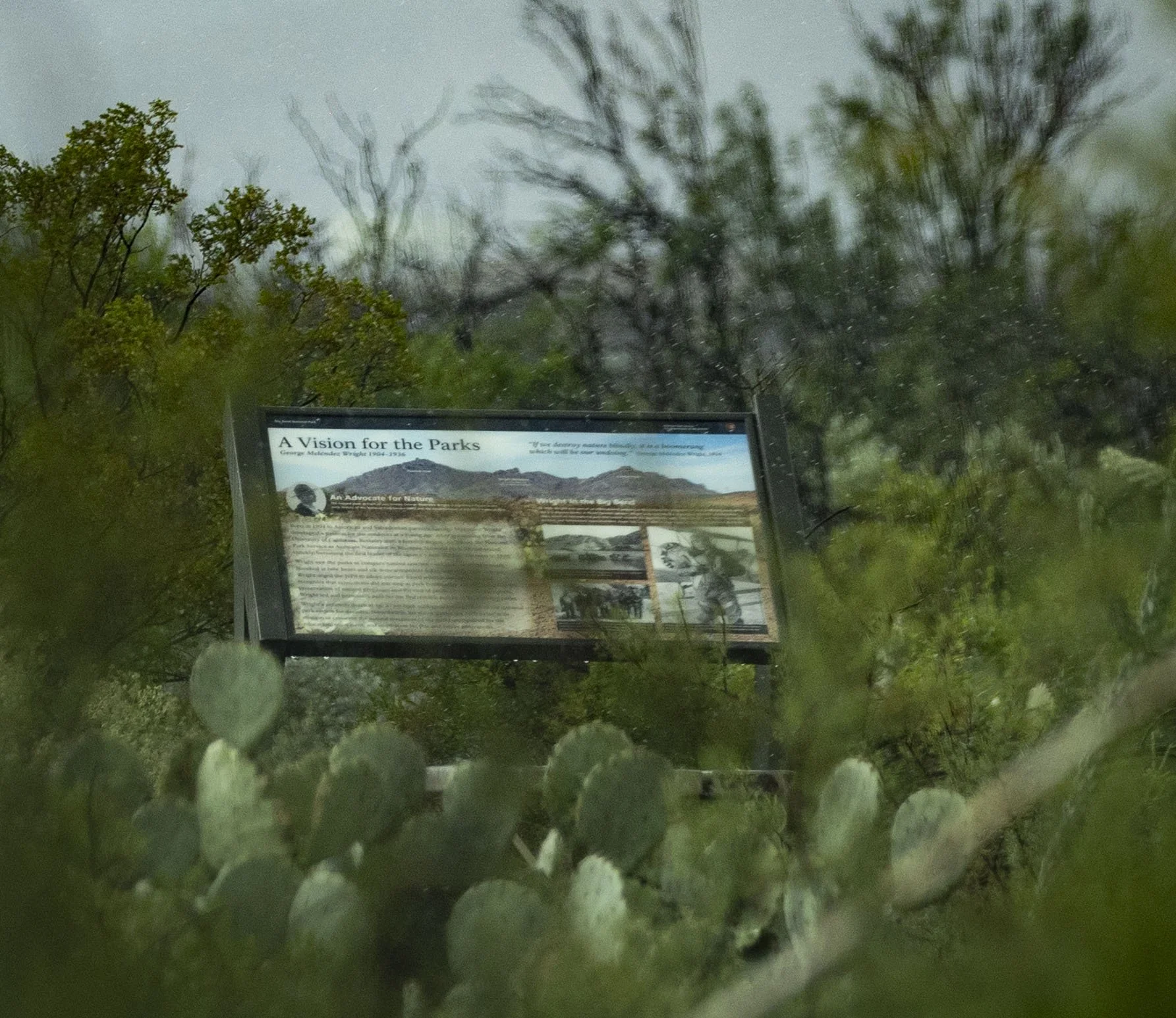
The wall's dangers multiply during heavy rains. Barrier structures act as a dam during flooding events, trapping animals against the wall as water rises. Mass drownings of rabbits, Texas tortoises and other small animals were documented during Hurricane Alex at the Santa Ana National Wildlife Refuge.
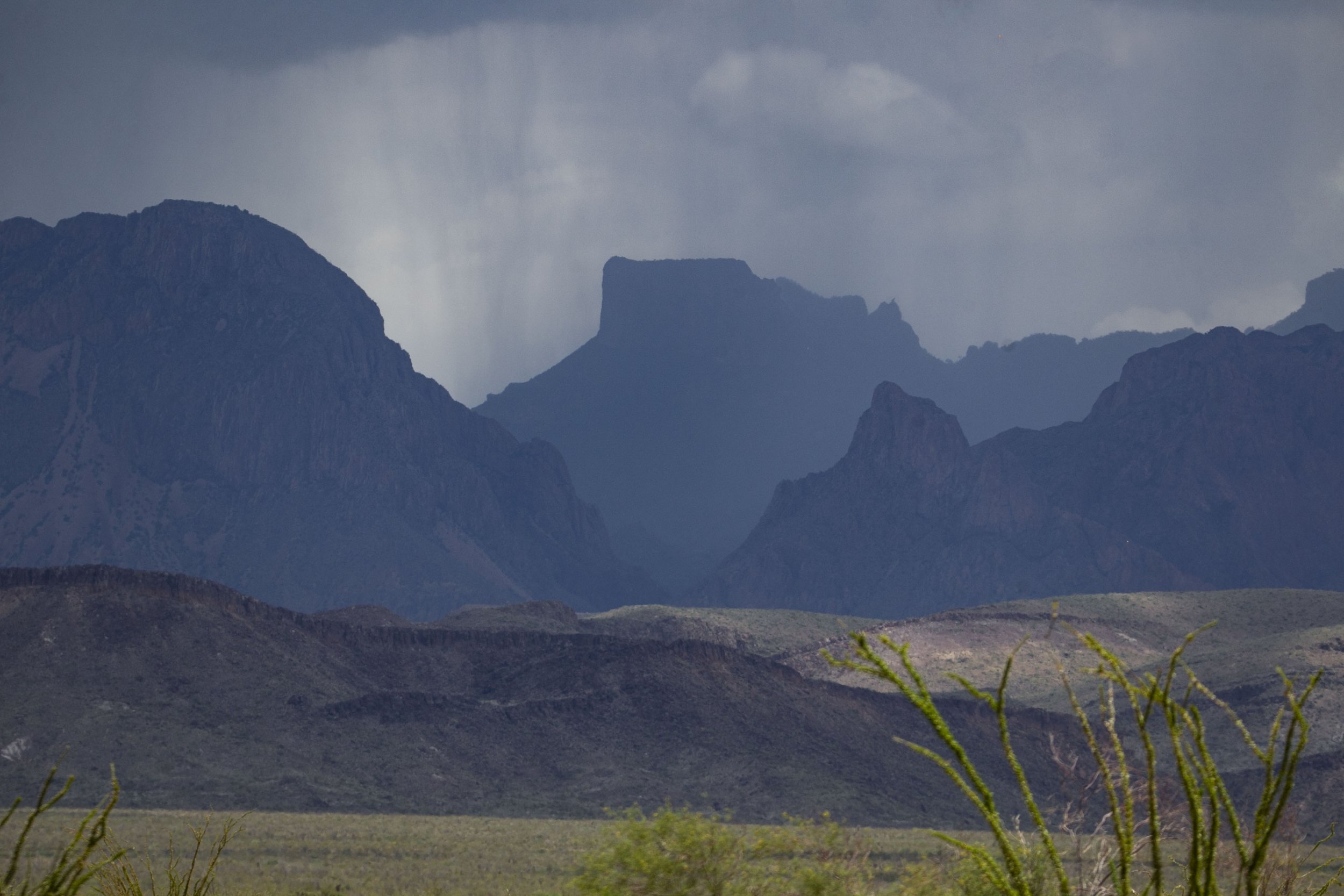
The wall would also make it nearly impossible to conduct binational work controlling invasive plants like Asian tamarisk and giant cane along the Rio Grande, which requires teams to access both banks of the river freely. Decades of collaborative investment—totaling hundreds of millions of dollars from U.S. and Mexican agencies, nonprofits and private landowners—to establish interconnected protected lands on both sides of the border would effectively be nullified.
Conservationists had long envisioned the Big Bend borderlands as the foundation of an international peace park, a unified ecosystem managed collaboratively across two nations. A permanent wall ends that possibility entirely.
